





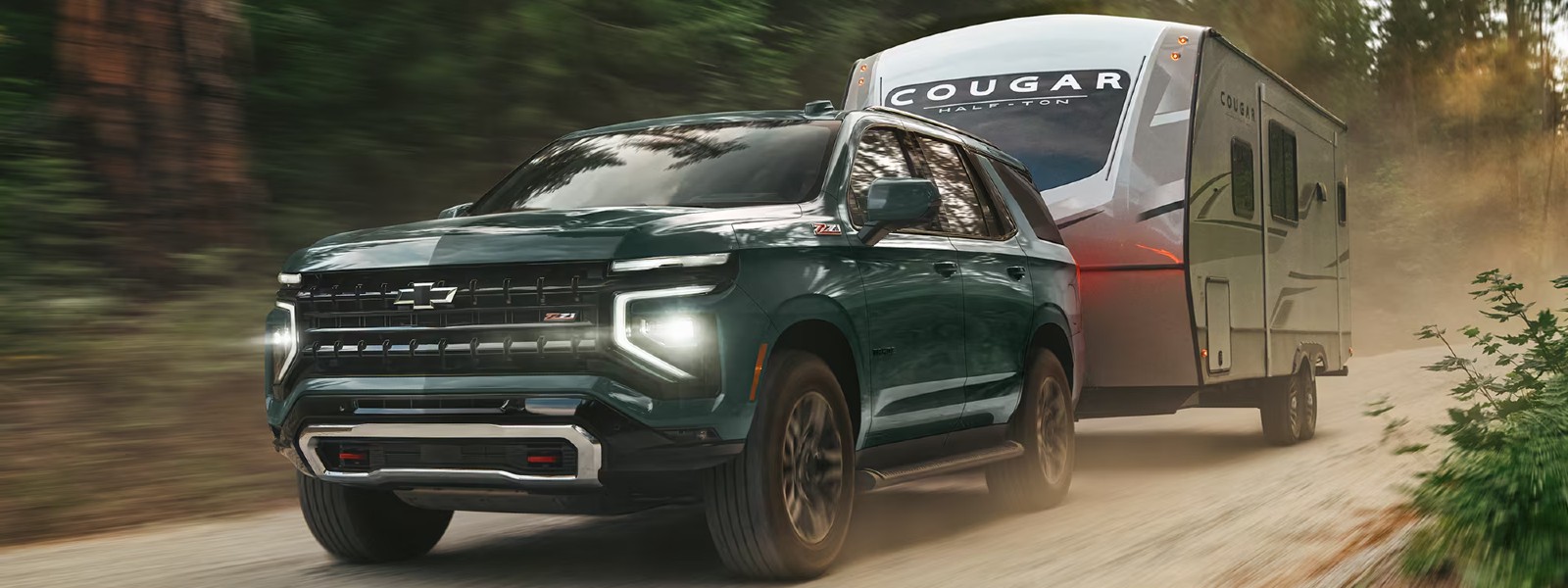

In the full-size SUV category, the Chevrolet Tahoe and Suburban are often mentioned. Common questions from Fort Worth customers at Bruce Lowrie Chevrolet include comparisons of the two models. The Tahoe and Suburban both have positive attributes.
Similarities between the Tahoe and Suburban include the platform, powertrains, trim ladder, and nearly identical front-cabin dimensions. The 15-inch difference in length between the two models is significant to consumers. Here's more information about the Tahoe and Suburban to help you learn what the actual differences are.
So the real decision comes down to length, cargo, third-row room, towing, and price.
The difference, by the numbers
Size and Shape: Considerations for Potential Buyers
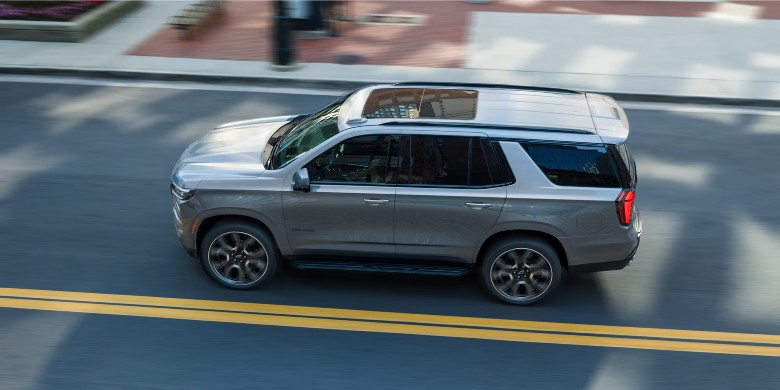
The biggest difference between the Tahoe and Suburban is size. The dimensions of the 2026 Chevrolet Tahoe are 211.3 inches long and have a 120.9-inch wheelbase. The dimensions of the 2026 Chevrolet Suburban are 226.3 inches long and have a 134.1-inch wheelbase. Advantages of the Suburban's greater length of 15 inches include more seating and storage room in the third row of seats and other conveniences in the Dallas-Fort Worth area and other locations with limited parking space.
Drawn to scale from the figures above. Wheel positions are illustrative.
Both vehicles are 81 inches wide. When placed next to each other, the front of both models will appear nearly identical. The Tahoe will be taller than the Suburban in some models. Other differences between the two vehicles include differences in the rear overhang. The Suburban is longer and has more cargo space than the Tahoe.
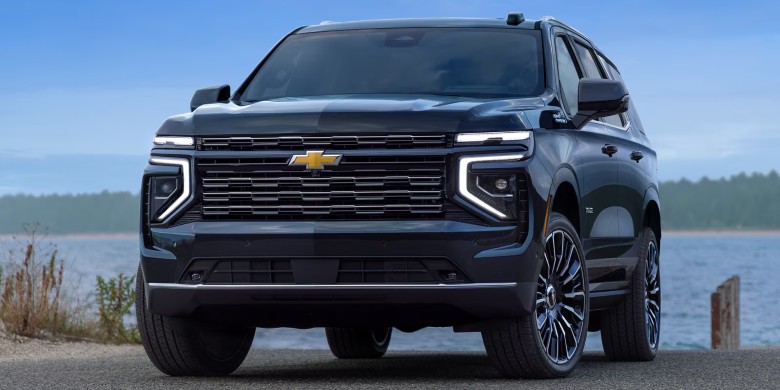

From the front, the two look nearly identical. The difference shows up behind the rear wheels.
Cargo Capacity: An Important Factor When Purchasing an SUV
Behind the third row, there is 25.5 cubic feet of cargo space in a Tahoe. Behind the third row, there is 41.5 cubic feet of cargo space in a Suburban. That is 63% more cargo space with all the seats in place. You could fit a stroller and a few shopping bags in a Tahoe or large suitcases for a family vacation in a Suburban without having to ask passengers to slide their seats forward.
Behind the third row
All seats in place
Maximum cargo
All back seats folded flat
Bars are scaled within each group.
With all back seats folded flat, cargo capacity is greater in the Suburban. The Tahoe offers a cargo capacity of up to 122.7 cubic feet. The Suburban offers a cargo capacity of up to 144.5 cubic feet. If you need to carry sports gear, camping gear, theater costumes for school plays, and other bulky items, you're likely to use the additional cargo capacity of the Suburban on every trip.

Third-Row Convenience: Adult-Usable Third Row Versus Genuinely Comfortable Third Row
A good amount of legroom for a three-row vehicle.
Long-wheelbase Suburban legroom in the third row.
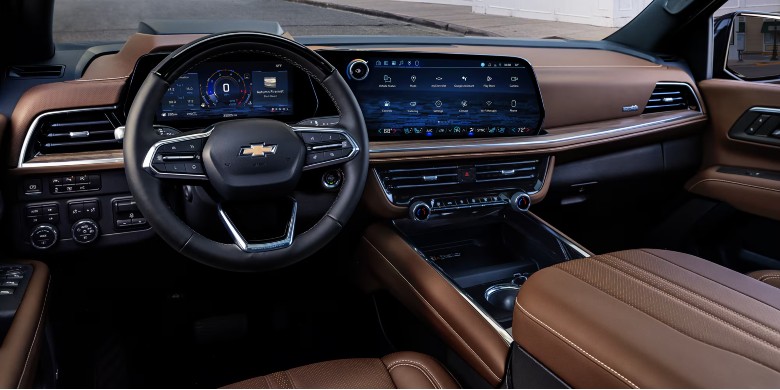
Legroom in the third row of a Tahoe is 34.9 inches. That is a good amount of legroom for a three-row vehicle. Teens and adults usually find it acceptable for shorter and medium-distance trips. Legroom in the third row of a long-wheelbase Suburban is 36.7 inches. The extra legroom of 1.8 inches may not matter to most people, but it might be a consideration on a two-hour trip to the Hill Country with three passengers in the third row of a vehicle.


Powertrain and Towing Capabilities: Comparable Capabilities; Slightly More Power for the Tahoe
Here's one way the Tahoe has an advantage. Engine choices for both vehicles include a 355-horsepower, 383-pound-foot 5.3-liter V8; an optional 420-horsepower 6.2-liter V8; and an available 305-horsepower, 495-pound-foot 3.0-liter Duramax turbo-diesel engine with improved fuel economy and range. Both vehicles offer a 10-speed automatic transmission and rear- or four-wheel drive.
Because it is a lighter vehicle than the Suburban, the Tahoe has a greater towing capacity than the Suburban. A properly equipped Tahoe with the Max Trailering package can tow 8,400 pounds, and a Suburban can tow 8,300 pounds. This 100-pound difference is unlikely to matter to most consumers but could be important to those who frequently tow. Most Tahoe models have better fuel economy than most Suburban models. However, the Suburban's 28-gallon fuel tank provides a significantly longer potential driving range than the Tahoe's 24-gallon fuel tank.
Properly equipped, with the Max Trailering package
Longer potential driving range for the Suburban
Price: How Much Does Extra Space Cost?
The base price of the 2026 Tahoe is $63,495 for the LS and $83,495 for the High Country. The base price of the 2026 Suburban is $66,495, and the High Country model costs $86,495. Prices for similar models vary by about $3,000. Families might consider paying more for a Suburban because of its additional cargo room, extended driving range, and improved third-row comfort.

2026 base prices from this article. Final pricing depends on trim, options, and offers.
2026 Tahoe vs. Suburban spec sheet
"Edge" marks the higher figure, or the lower price, for each row.
Which Vehicle Is Right for You?
Both models are in stock at Bruce Lowrie Chevrolet
Visit Bruce Lowrie Chevrolet to test-drive and compare both models to determine differences in interior size.
Tahoe vs. Suburban FAQ
Quick answers pulled straight from the comparison above.

Bruce Lowrie Chevrolet
711 SW Loop 820
Fort Worth, TX 76134
A family-owned Fort Worth dealership with both the Tahoe and Suburban available to test-drive.