





What Do Chevrolet Dashboard Warning Lights Mean?
If you've ever had a dashboard light pop on during your drive, you know that little jolt of "Uh-oh… what now?" It's a feeling drivers everywhere can relate to, and customers at Bruce Lowrie Chevrolet here in Fort Worth, TX, ask about these symbols all the time. Modern Chevrolets are packed with smart technology designed to keep you informed—not overwhelmed—so understanding what these lights mean can make your drive a whole lot less stressful. And when something does need attention, getting it checked sooner rather than later can save time, money, and headaches down the road.
Chevy vehicles use a mix of colors, shapes, and symbols to communicate what's happening under the hood. Some lights are friendly reminders. Others are warnings you shouldn't ignore. Let's break down the most common Chevy dashboard warning lights and what they're trying to tell you.
Key Takeaways
- Dashboard light colors tell you how urgent the issue is.
- Red lights mean stop now; yellow lights mean check soon.
- Common alerts include TPMS, low fuel, traction control, and the check engine light.
- Ignoring warnings can lead to bigger, more expensive repairs.
- Professional diagnostics ensure your Chevrolet stays safe and reliable.
Dashboard Light Colors: Quick Meaning Guide
These color cues alone can help you decide how urgently you need to act. Red lights are the "pull over safely" type. Yellow lights are the "schedule service soon" type. Green and blue? Those are just informational.
| Light Color | What It Means |
|---|---|
| Red | Stop now — safety or mechanical emergency |
| Yellow/Amber | Check soon — the system needs attention |
| Green/Blue | Normal operation — active features |
Common Chevrolet Warning Symbols Explained
Below is a breakdown of the most frequent alerts drivers see, along with why they matter. These are part of the broader Chevrolet dashboard icons list, and knowing them can help you stay ahead of potential issues.

|
Tire Pressure Monitoring System (TPMS) LightThis symbol looks like a horseshoe, with an exclamation point in the middle. When it turns on, one or more tires are under-inflated. Cold weather, slow leaks, or punctures can trigger it. Driving with low tire pressure affects fuel economy, handling, and tire life, so it's worth checking soon. |
|
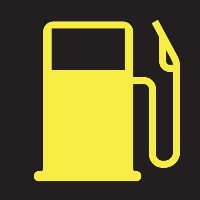
Low Fuel LightPretty straightforward—your tank is running low. But here's the thing: consistently driving on fumes can strain your fuel pump. It's best not to make a habit of waiting until the last mile. |
|
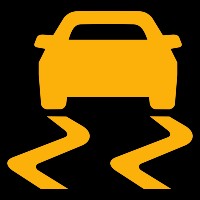
Traction or Stability Control LightThis light flashes when the system is actively working to keep your vehicle stable, especially on slick roads. If it stays on, the system may be disabled and needs attention. |

|
Check Engine LightThe big one. The one everyone dreads. The Chevy check engine light meaning ranges from a loose gas cap to a serious motor issue. If it's steady, schedule service soon. If it's flashing, pull over safely—this usually signals a misfire that can damage or warp the catalytic converter. |
|
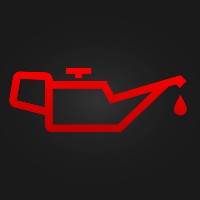
Oil Pressure / Oil Level WarningLow oil pressure or low oil level is a red-light situation. Continuing to drive can cause major engine damage. Pull over safely and shut the car off until it's checked. |

|
Battery / Charging System LightThis symbol means your vehicle isn't charging properly. It could be the alternator, battery, or wiring. If the light comes on while driving, your vehicle may eventually lose power, so don't wait to get it inspected. |

|
Coolant Temperature WarningIf this light turns red, your engine is overheating. Pull over, turn the vehicle off, and let it cool. Overheating can cause major engine damage if ignored. |

|
Brake System Warning LightThis one deserves immediate attention. It may mean low brake fluid, an issue with the braking system, or that the parking brake is engaged. If it stays on after releasing the brake, have it checked right away. |

|
ABS Warning LightYour Anti-Lock Braking System isn't functioning properly. You'll still have normal brakes, but without ABS support during hard stops. It's not an emergency, but it's definitely something to address soon. |
Why Getting Service Quickly Matters
|
It's easy to shrug off a dashboard light—especially if the car still "feels fine." But many issues start small and grow quietly. A minor warning today can turn into a major repair tomorrow. At Bruce Lowrie Chevrolet, our service team sees this all the time: a simple sensor issue becomes a bigger mechanical problem because it was ignored for too long. Timely service helps:
|

|
Whether it's a daily commuter, a family SUV, or a hardworking truck with Chevy Silverado warning lights popping up, staying ahead of maintenance is the best way to keep your vehicle running strong.
Keeping Your Chevy Safe, Reliable, and Road-Ready
Dashboard lights aren't there to scare you—they're there to help you. Understanding the Chevy service lights and their meanings gives you confidence behind the wheel and helps you make smart decisions when something needs attention. And when you're unsure, the team at Bruce Lowrie Chevrolet in Fort Worth, TX, is always ready to take a look, explain what's going on, and get you safely back on the road.
FAQ
What should I do if my check engine light starts flashing?
A flashing check engine light usually indicates a severe misfire. Pull over safely and have the vehicle inspected immediately.
Is it safe to drive with the ABS light on?
You'll still have brakes, but without ABS support. It's safe for short distances, but schedule service soon.
Why does my TPMS light come on in cold weather?
Cold air reduces tire pressure. Once the tires warm up, the light may turn off—but it's still smart to check your pressure.
Can low coolant cause the engine to overheat?
Absolutely. Low coolant is one of the most common causes of overheating.
What if multiple warning lights come on at once?
This can indicate a system-wide electrical or charging issue. Have the vehicle inspected as soon as possible.
Expert Chevrolet Service in Fort Worth
When a dashboard warning light appears in your Chevy, trust our experienced service team to diagnose and resolve the issue quickly and accurately.